The rental property market is on the brink of a significant shift, one that will undoubtedly cause concern among landlords across the UK. The new Labour government has made clear its intention to raise the minimum energy performance standards for rental properties, a move that could have far-reaching implications for both landlords and tenants alike. The proposed change, which would see the minimum Energy Performance Certificate (EPC) rating for rental properties increase from E to C by 2030, has sparked a mix of anxiety and uncertainty within the property sector.
The new regulations are part of Labour’s broader commitment to combat climate change and enhance energy efficiency across the nation’s housing stock. Yet this step isn’t the first foray by a government into improving the energy efficiency of the U.K.’s private rental homes.
The Tory government first introduced EPC regulations for private rental properties in 2018 as part of a broader effort to improve the energy efficiency of the UK’s housing stock. Under these regulations, landlords were required to ensure that their properties met a minimum EPC rating of E before they could be legally rented out. To support this, certain exemptions were allowed, and a cost cap was introduced, limiting the amount landlords were required to spend on energy efficiency improvements to £3,500 per property.
This cap was intended to prevent undue financial strain on landlords, particularly those with older or lower-value properties, while still encouraging necessary upgrades. The £3,500 cap covered a range of potential improvements, including insulation, heating system upgrades, and draught-proofing, and was seen as a balanced approach that allowed landlords to comply with the new standards without facing prohibitive costs.
The Scale of the Challenge for Newbury Landlords
While the intentions of the Labour government are commendable, the practicalities for landlords are anything but straightforward. Upgrading a property’s energy efficiency from an E rating to a C rating is not merely a matter of a few minor tweaks like it was from taking a property from a G to an E rating; it often requires substantial investment. The reality of bringing a property up to a C rating could be vastly more expensive, with some projections placing the cost as high as £30,000 per property for older properties.
These figures are not just arbitrary; they reflect the significant work required to meet the new standards. From installing new insulation, upgrading heating systems, replacing windows, to potentially more extensive renovations depending on the property’s age and construction, the financial burden is considerable. For many landlords, particularly those with older properties or properties where the value of rental homes are lower, the costs may seem prohibitive.
The Impact on the Newbury Rental Market
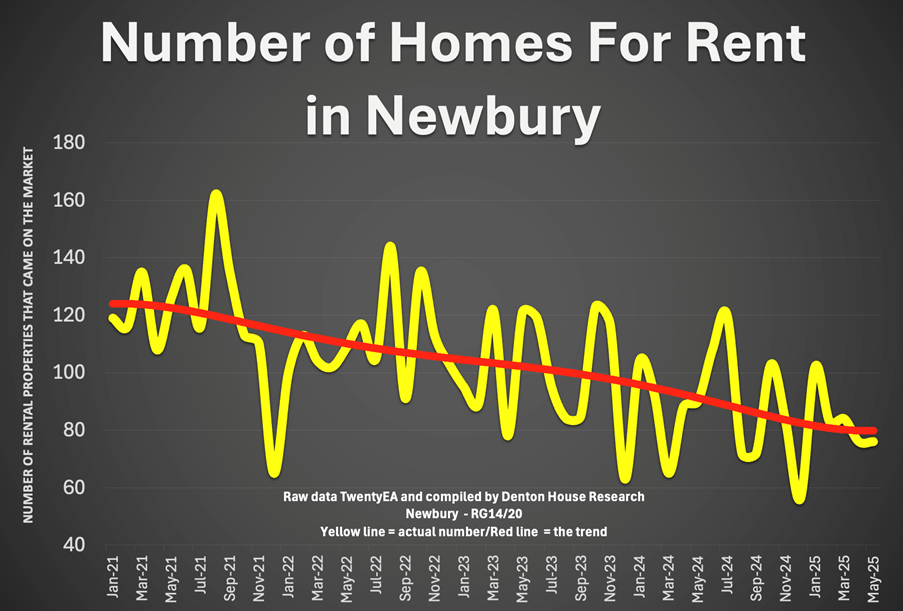
The implications of these changes are likely to be profound. Some landlords may decide that the cost of upgrading is simply too high and choose to sell their properties instead. This exodus from the rental market could exacerbate the current housing shortage for tenants, driving up rents and making it even more difficult for those tenants to find affordable rental homes (although paradoxically, making buy-to-let more profitable for those that remain).
There is also the risk that the increased financial burden on landlords will be passed onto tenants in the form of higher rents. While the goal of improving energy efficiency is to reduce overall living costs for tenants by lowering their energy bills, this benefit could be offset if landlords raise rents to recoup their investment. This could particularly impact properties where rental incomes are lower, and the cost of upgrades represents a significant proportion of the property’s value.
Newbury Landlords Navigating the Uncertainty
In the face of these challenges, it is crucial for landlords to adopt a pragmatic approach. While the initial reaction may be one of concern, it is important to consider the long-term benefits of making these energy efficiency improvements. Properties with higher EPC ratings are not only more attractive to tenants, who are increasingly looking for homes with lower running costs, but they also tend to have higher market values. By investing in upgrades now, landlords can not only comply with future regulations but also enhance the value of their investments.
Moreover, there may be opportunities to mitigate the costs. The government has yet to finalise the details of the new regulations, and there is hope that they will introduce measures to support landlords through this transition. For example, there has been discussion around increasing the cap on allowable expenditure for energy efficiency improvements, potentially up to £10,000. Additionally, there may be grants, loans, or tax incentives available to help offset some of the costs.
Newbury landlords should also consider the timing of their investments. While the 2030 deadline may seem distant, the scale of the work required means that starting early could be beneficial. Properties that are upgraded sooner rather than later will be in a better position to attract and retain tenants, particularly as energy efficiency becomes an increasingly important consideration for renters. Furthermore, by acting now, landlords can avoid the rush and potential price increases that are likely to occur as the deadline approaches.
It is also worth considering the broader societal benefits of these changes. Improving the energy efficiency of rental properties is not just about meeting government regulations; it is about contributing to the fight against climate change and helping to reduce the country’s overall carbon footprint. This is something that both Newbury landlords and tenants can take pride in, and it aligns with the growing demand for more sustainable living options.
Moreover, the improvements made to properties will not only benefit current Newbury tenants but also increase the long-term viability of the rental market. As properties become more energy-efficient, they will be better equipped to withstand future changes in energy prices and regulations. This future-proofs investments and ensures that landlords can continue to offer quality housing in a competitive market.
Final Thoughts: A Strategic Approach for Newbury Landlords
In conclusion, while the proposed changes to EPC requirements may initially seem daunting, they should be viewed as an opportunity rather than a threat. By taking a proactive and strategic approach, landlords can not only meet the new standards, but also enhance the value and appeal of their properties. This will not only benefit their own portfolios but also contribute to a more sustainable and resilient local rental market.
The key is to start planning now, seek out advice from agents like ourselves or many of the other agents in Newbury, and consider the long-term benefits of these changes. The road ahead may be challenging, but with careful planning and a commitment to improving the quality of rental housing, landlords can navigate this transition successfully.